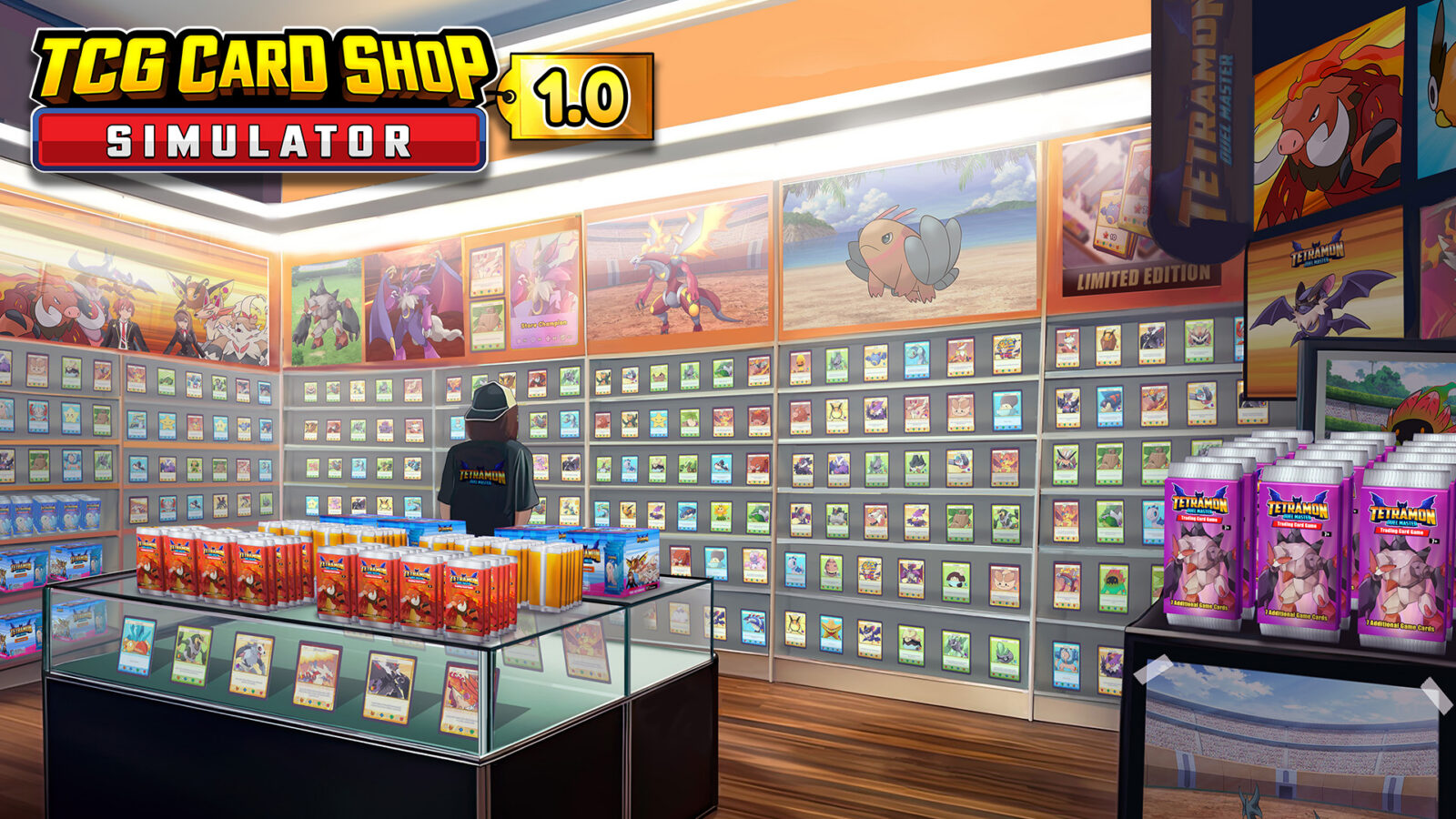
TCG Card Shop Simulator System Requirements: Can Your PC Run It?
Check the official TCG Card Shop Simulator system requirements to see if your PC can handle the ultimate card shop management game. Optimize your setup today.
Published:
Table of Contents
Running your own trading card shop sounds like a dream, but before you dive into the booming market of booster packs and rare finds, you need to ensure your hardware is up to the task. Knowing the TCG Card Shop Simulator system requirements is essential to prevent performance stutters while you manage your inventory or host tournaments for your virtual customers.
Whether you are a casual player or a hardcore simulator fan, checking your PC specs against the developer’s guidelines is the first step toward a smooth experience. In this guide, we will break down exactly what you need to run this game, how to optimize your setup, and tips for managing your shop efficiently.
Understanding TCG Card Shop Simulator System Requirements
The TCG Card Shop Simulator system requirements are relatively accessible, making the game playable on a wide range of hardware. However, simulation games often become more demanding as your shop grows, your shelves fill up with stock, and your store becomes crowded with customers.
Official PC Specifications
To help you plan your hardware budget or check your current setup, we have compiled the developer's official data into the following table:
Component
Minimum Requirements
Recommended Requirements
OS
Windows 10 (64-bit)
Windows 10 (64-bit)
Processor
Intel Core i5-3550
Intel Core i5-6400
Memory
8 GB RAM
8 GB RAM
Graphics
NVIDIA GeForce GTX 1050
NVIDIA GeForce GTX 1070
DirectX
Version 11
Version 11
Storage
5 GB Available Space
5 GB Available Space
As shown above, the jump from minimum to recommended hardware mainly involves a more capable graphics card. Since you will be managing high-resolution card assets and multiple store shelves, having that extra VRAM in a GTX 1070 ensures that your store stays responsive even during peak business hours.
Why Your Hardware Choices Matter
You might wonder why a simulation game requires a dedicated graphics card like the GTX 1050 or better. According to official performance guidelines, the game relies on specific shader support—specifically Pixel Shader 6.0 and Vertex Shader 6.0. These technologies are crucial for rendering the holographics on your cards and the lighting effects within your store.
If your current setup falls below the minimum TCG Card Shop Simulator system requirements, you may encounter graphical glitches or slower frame rates when panning across your shop. For those planning to play for extended sessions, meeting the recommended specs will provide a significantly more stable experience when navigating complex menus or managing your staff.
Check Your Drivers
Even if your hardware meets the requirements, always keep your video card drivers updated. Outdated drivers are the number one cause of unexpected crashes or "black screen" issues in simulation titles.
Setting Up Your Shop: From Storage to Sales
Once you have confirmed your PC meets the TCG Card Shop Simulator system requirements, it is time to build your empire. Successful store management involves more than just stocking shelves; it requires balancing your cash flow and understanding your customer base.
Strategic Shop Management Steps
Step
Action
Why It Matters
1
Organization
Grouping popular cards makes it easier for customers to find items, increasing daily sales.
2
Pricing
Use market trends; marking up by 10-20% is often the "sweet spot" for early-game profit.
3
Hiring
Once you reach level 10, hire staff to man the register while you focus on opening packs.
4
Expansion
Upgrade your floor space to fit more shelves and host card game tables.
Community players often report that one of the most common mistakes is expanding too quickly without enough liquid cash. You should always keep a reserve for rent and unexpected costs. As noted in recent community discussions, while hiring staff is a huge quality-of-life upgrade, they may seem slow at first—be patient as they learn their duties!
Optimizing for Performance
Even if you meet the requirements, there are ways to squeeze more performance out of your machine. If you find your game lagging during busy days, try these adjustments:
Adjust Field of View (FOV): A very high FOV can increase the rendering load. Lowering it slightly can provide a performance boost.
Monitor Background Processes: Close heavy browser tabs or streaming software while playing to ensure your CPU can focus entirely on the shop simulation.
Resolution Scaling: If you are playing on a high-resolution monitor but don't meet the recommended specs, lowering your in-game resolution to 1080p is the most effective way to improve frame rates.
Engaging with the Community and Mods
One of the highlights of this title is the vibrant modding scene. Many players enhance their experience by adding custom card sets or UI improvements. However, keep in mind that excessive modding can change the performance profile of the game.
If you choose to use third-party mods from platforms like Nexus Mods, always ensure you have a clean backup of your save files. When installing complex mods—such as those that add new card mechanics—follow the developer’s installation instructions precisely to avoid file nesting issues that could crash your game.
Frequently Asked Questions
Do the TCG Card Shop Simulator system requirements change if I use mods?
Generally, no. However, if you install heavy graphic-intensive mods (like texture replacements or high-res holographic overhauls), you might need a system that exceeds the recommended requirements to maintain a smooth frame rate.
Can I run the game on a laptop?
Yes, provided your laptop’s integrated graphics or dedicated GPU meet the minimum criteria of an NVIDIA GeForce GTX 1050 (or equivalent). Ensure your laptop is plugged into a power source to keep the GPU running at full capacity.
Is the game optimized for high-end PCs?
The game is well-optimized for modern systems. While it doesn't require extreme hardware, players with higher-end cards will experience faster asset loading and consistent frames, especially as their card collection and inventory grow significantly.
Where can I find the official game page?
For the most up-to-date information, patches, and verified system requirements, always visit the official TCG Card Shop Simulator Steam page.
By adhering to these hardware guidelines, you’ll ensure that your path to becoming the best card shop owner in the business is free from technical interruptions. Happy selling!