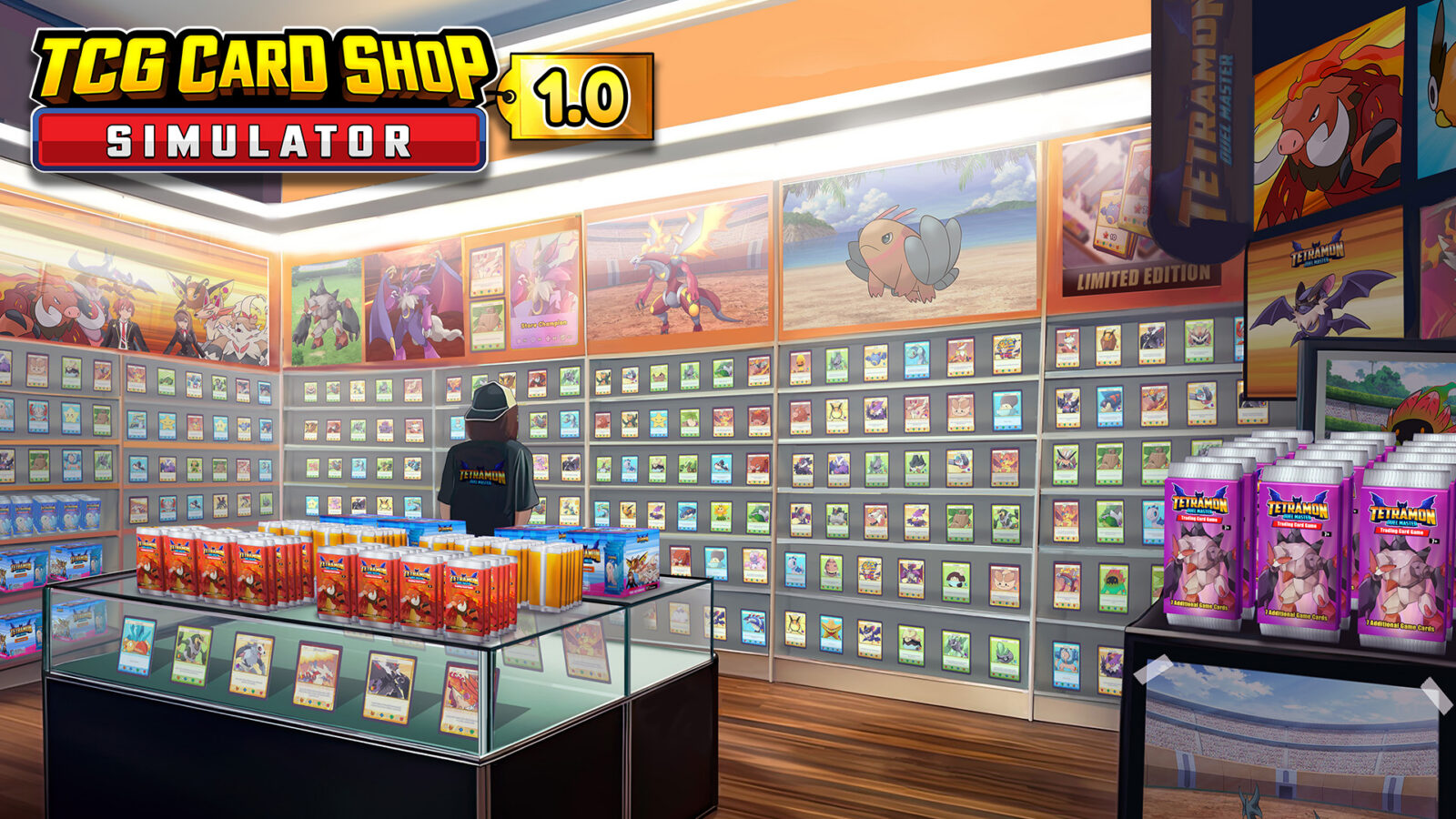
Mastering TCG Card Shop Simulator Singles: A Pro Profit Guide
Learn the secrets of TCG Card Shop Simulator singles to maximize your revenue. Discover expert tips on inventory management, pricing, and card trading.
Published:
Table of Contents
Running a thriving store in TCG Card Shop Simulator is about more than just keeping shelves stocked; it’s about mastering the complex economy of card collectibles. Many players struggle to scale their earnings, but the secret lies in how you handle TCG card shop simulator singles—the high-margin lifeblood of a successful business.
Understanding how to manage, price, and sell individual cards can transform your shop from a struggling hobby space into a retail empire. If you have ever wondered why your competitors are making thousands while you barely scrape by, this guide is designed to bridge that gap and refine your retail strategy.
The Strategy Behind TCG Card Shop Simulator Singles
Why focus on individual cards rather than just selling sealed booster boxes? While sealed product moves quickly, the profit margins on TCG card shop simulator singles are significantly higher, especially once you hit the mid-game. When you pull rare cards from booster packs, selling them individually allows you to capitalize on the specific demands of collectors who are hunting for missing pieces to complete their sets.
However, the key is knowing when to sell and when to hold. According to community experience shared by advanced players, you should avoid selling your rare full-art or foil cards early on, as these are required for completing the 2,500-card collection achievement.
Comparison: Selling Sealed vs. Singles
Strategy
Margin Potential
Effort Required
Best Used For
Sealed Boosters
Low/Steady
Low
Early game cash flow
Singles Sales
High
High
Mid to late game growth
Graded Singles
Extreme
Very High
Maximizing elite card value
Bulk Boxes
Medium
Medium
Liquidating common inventory
Managing Your Card Inventory Effectively
Successful inventory management isn't just about throwing cards onto a shelf; it's about organization and accessibility. In the early game, you are limited by space and staff, but as you progress, you should look to implement a strict inventory system.
The Role of Card Tables
Many beginners make the mistake of using card tables early on, which can actually hurt sales if you don't have high-value cards to offer. As of recent patches, while card tables can provide expense-free income, they shouldn't be your primary focus if you are optimizing for maximum daily profit.
Pro Inventory Tip
Use the "Small Cabinets" for your bulk cards until you hit level 30, then transition to "Wide Shelves" to maximize the number of items per section. Always keep shelves fully stocked; an empty shelf wastes a customer’s shopping action and lowers your potential daily revenue.
Pricing Your Cards for Maximum Profit
Pricing your TCG card shop simulator singles is a delicate balance. If your prices are too high, customers will walk away; too low, and you leave money on the table. The consensus among veteran shop owners on the Official Steam Page is to set a markup of 10% above market value.
This specific markup keeps your sales probability high while ensuring you remain profitable. Avoid the temptation to mark up items by 50% or more, as the customer AI will rarely make a purchase at those levels.
Pricing Tiers for Success
Card Rarity
Suggested Markup
Sales Probability
Common/Base
5-10%
Very High
Rare/Epic
10%
Medium-High
Full Art/Foil
10-15%
Moderate
Ghost Variants
Market Price
Low (High Value)
Automating Your Way to Success
By the time you reach the late game, your biggest enemy isn't the competition—it’s manual labor. To keep your store running efficiently, you must utilize automation. Stinky customers are a major issue that will scare away patrons if not dealt with immediately.
Essential Automation Workflow
Install Auto-Spray Systems: Place at least two M100 or G500 cleaners at the entrance.
Assign Staff Tasks: Dedicate your best staff to restocking shelves and singles, keeping your own time free for trading and bulk box creation.
The 8:00 AM Trick: Leave the shop unopened at 8:00 A.M. to allow your hired employees to finish their restocking tasks for free before the day begins.
Community reports indicate that keeping two scent machines at the door is the most effective way to handle the stink mechanic without having to manually intervene every few minutes.
Advanced Trading and Collection Hunting
Trading is arguably one of the most profitable aspects of the game once you learn the mechanics. Customers will approach you with trade requests; always check their inventory carefully. Buying rare cards from customers is often cheaper than pulling them from packs.
When hunting for rare cards like Ghost Foils, keep in mind that the odds are astronomical. According to data provided by the TCG Card Shop Simulator Wiki, your best bet is opening Destiny packs, which have a slightly higher chance of yielding these elusive cards compared to standard sets.
Rare Card Drop Probabilities
Full Art Foil: 1 in 8,000 packs
Ghost Pack Chance (Destiny): 1 in 500
Ghost Foil Pack Chance (Destiny): 1 in 10,000
FAQ: Frequently Asked Questions
How do I make the most money with TCG card shop simulator singles?
To maximize profit, focus on high-margin rare cards and use the workbench to create bulk boxes for your unsold common cards. Always maintain a 10% markup above market price.
Do I need card tables to be successful?
No, card tables are optional. While they provide extra XP and some income, the space is often better utilized for high-value product shelves in the late game to increase total customer capacity.
Is there a trick to getting Ghost cards?
Focus on opening Destiny packs. While the odds remain low, the drop rate for Ghost variants is statistically better in Destiny packs than in other available sets.
Why are my customers leaving without buying anything?
This is often caused by empty shelves or "stinky" customers. Ensure your store is fully stocked and that you have automatic scent machines installed at the entrance to maintain a positive environment.