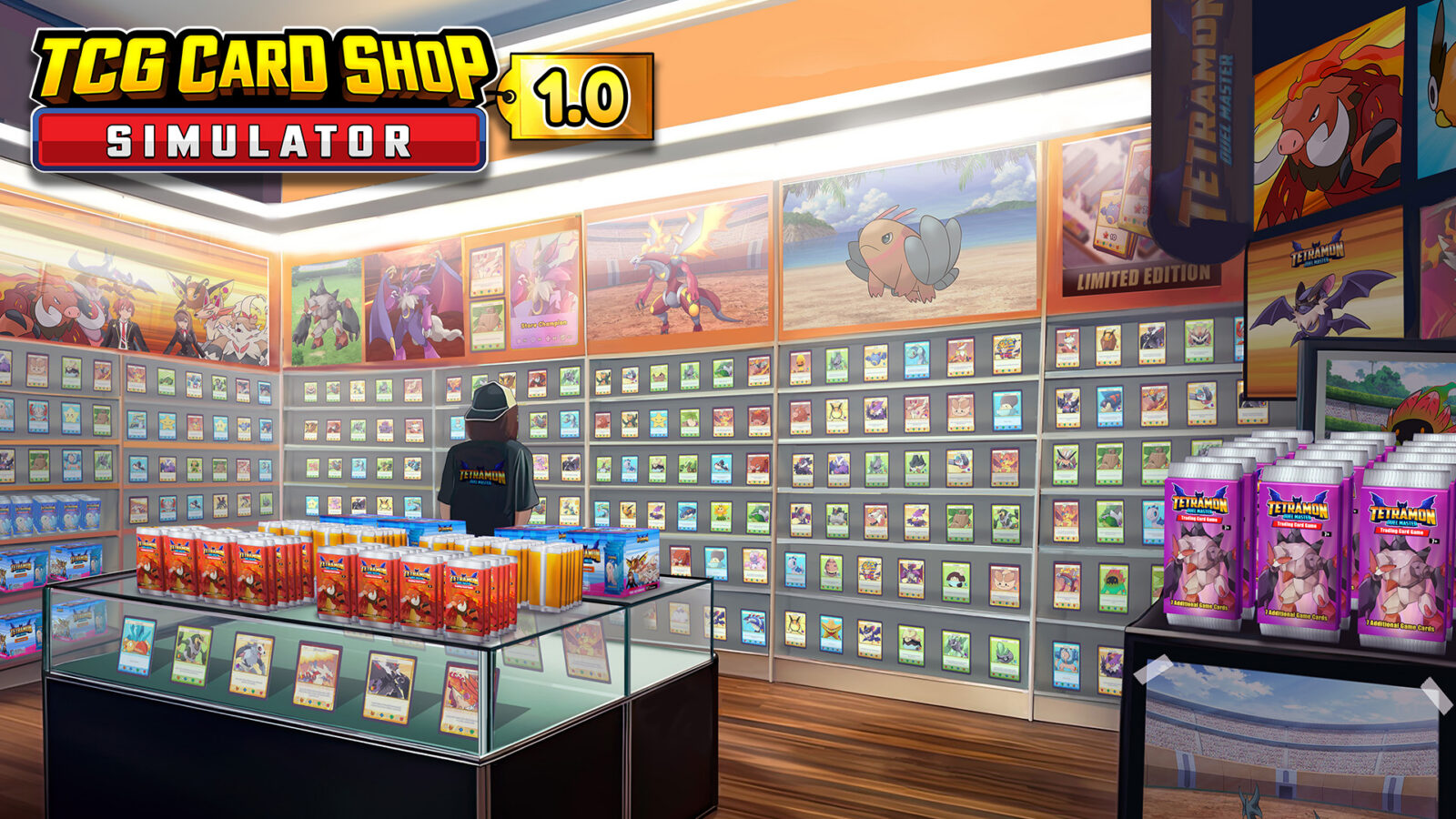
Master TCG Card Shop Simulator grading cards mechanics. Learn when to grade, which services to choose, and how to maximize your card collection's value today.
Published:
Video Guide
TCG Card Shop Simulator Grading and Re - Grading Cards. Is it worth it??? God Pack Pulls.Table of Contents
Maximizing your revenue in TCG Card Shop Simulator requires more than just managing store shelves; it requires a deep dive into the high-stakes world of card authentication. Understanding how to approach TCG card shop simulator grading cards effectively can be the difference between a struggling shop and a multi-million dollar retail empire.
In this comprehensive guide, we explore the mechanics of card appraisal, the best timing for submissions, and the strategies that high-level players use to turn raw inventory into high-grade assets. Whether you are a beginner wondering if grading is worth your limited starting capital or an endgame tycoon chasing the perfect 10-grade Ghost Foil, this walkthrough has you covered.
Why Grading Your Cards is a Game Changer
Many players initially overlook the grading app, viewing it as an expensive luxury. However, grading significantly boosts the market value of rare items. When you use the grading service, you aren't just paying for a sticker; you are rolling the dice on a multiplier that can increase the value of your most sought-after cards by hundreds or even thousands of dollars.
As seen in various community reports, grading cards is almost always a profitable venture, provided you select the right service tier for your current bankroll. By transforming raw, high-value pulls into graded copies, you effectively gate-keep your inventory from being sold at base price, ensuring you squeeze every bit of profit from those rare Ghost or Full Art pulls.
Understanding the Grading Mechanics
Introduced in update 0.60, the grading system via the Cardinal’s app is a sophisticated probability engine. When you submit a card, the game engine first determines the "Quality Pool" of the card, which then dictates the potential final grade range.
The Grading Process Breakdown
The system is designed to favor higher grades, with a massive 96% chance for any given card to land in the High-Quality Pool.
Pool
Probability
Possible Grades
High-Quality
96%
5–10
Low-Quality
4%
1–4
Within these pools, the game performs sequential checks. This explains why getting a 10 is statistically favored, while lower grades (1–4) are significantly harder to obtain through initial grading.
The Regrading Logic
If you are disappointed with a result, you can opt for regrading. This is particularly useful for collectors chasing a specific grade. According to community data, the probabilities for regrading are as follows:
Grade +1: 30% chance
No Change: 40% chance
Grade -1: 30% chance
Use Regrading Wisely
Only regrade high-value cards like Ghost Foils. Since regrading has a 30% chance of lowering the grade, it is a high-risk move that should only be utilized when you have an excess of capital and are purely hunting for that perfect 10.
Choosing the Right Service Tier
Not all grading services are created equal. Your choice of service should evolve alongside your store’s growth. Here is a comparison of the available services to help you make an informed decision based on your current cash flow.
Service
Processing Time
Cost per Card
Best Used For
Value
12 Days
$10
Very early game, tight budget
Standard
7 Days
$40
Mid-game, steady inventory
Express
4 Days
$200
Late-game, high-value cards
Premium
2 Days
$1,500
Endgame, rushing Ghost Foils
Early in the game, the Value and Standard services are your best friends. They allow you to build profit without draining your operating funds. Once you reach the mid-to-late game stages—specifically when your store is generating consistent daily revenue—switching to the Express or Premium tiers becomes essential to keep your high-end inventory moving.
Strategic Timing: When to Grade
A common question among the community is: "What is the threshold for grading?" While personal preference varies, most successful players suggest waiting until your cards have a raw value of at least $1,000 before prioritizing them for a 4-day or 2-day service.
If you are just starting your journey, focus on the official TCG Card Shop Simulator Steam page for updates on game versions, as mechanics can shift with new patches. Selling cards that are below $30-40 market price is rarely worth the effort; instead, use those to fill your store shelves to attract customers.
How to Scale Your Grading Strategy
Early Game: Focus on survival. Use your employees to stock shelves. Only grade your top 8 most valuable cards every few days if you have spare cash.
Mid Game: As your daily sales increase, invest in more grading machines. Use the 4-day service to maintain a flow of high-value inventory.
Endgame: Money becomes secondary. Use the 2-day Premium service to cycle your rarest cards (Ghost Foils) until they hit that elusive grade 10.
Common Mistakes to Avoid
Ignoring the Stink Machine: You might want to grade cards all day, but if your shop is full of stinky customers, your revenue will drop, and you won't have the cash to cover your grading fees.
Selling Rare Cards Too Early: Avoid selling Full Arts or EX Foils early on. You need these to reach the 2,500 unique card collection achievement.
Over-relying on Regrading: Regrading is expensive and risky. If you are struggling for money, do not burn it on regrading cards that are already a 9.
Avoid the Soft Lock
Never let your shop bills go unpaid for too long. If you spend all your money on expensive grading fees and hit a negative balance, you may find yourself unable to purchase new stock, effectively soft-locking your progression.
Conclusion
Mastering TCG card shop simulator grading cards is an art form. By balancing your initial capital against the long-term gains of graded assets, you can transform your shop from a small neighborhood store into a global phenomenon. Remember, the goal isn't just to grade every card you pull, but to grade the right cards at the right time.
Keep an eye on your inventory, stay updated with the latest patches on the developer's official channels, and don't be afraid to experiment with your grading strategy as your shop’s level increases. Happy collecting!
Frequently Asked Questions (FAQ)
Q: Is it always worth grading cards in TCG Card Shop Simulator?
A: Almost always. Grading adds significant value to rare cards. As long as the grading fee doesn't eat into your primary operational budget, the profit margins are well worth the investment.
Q: Should I use the 2-day Premium grading service?
A: Only in the late game. The cost is high ($1,500 per card), so it should be reserved for your most valuable Ghost or Foil cards that you are trying to perfect.
Q: Does the grading machine affect my shop's performance?
A: The grading app itself is just a tool for value. However, managing your store's physical space—like ensuring you have enough shelves and clean customers—is vital to maintaining the cash flow needed to pay for your grading habit.
Q: Can a card's grade go down during regrading?
A: Yes. Regrading carries a 30% chance of lowering the card's grade, a 40% chance of no change, and a 30% chance of increasing the grade. Use this feature with caution.