TCG Card Shop Simulator Xbox Guide: Tips for Shop Mastery
Master TCG Card Shop Simulator on Xbox with our expert guide. Learn how to optimize your store, manage inventory, and scale your business to success.
Published:
Table of Contents
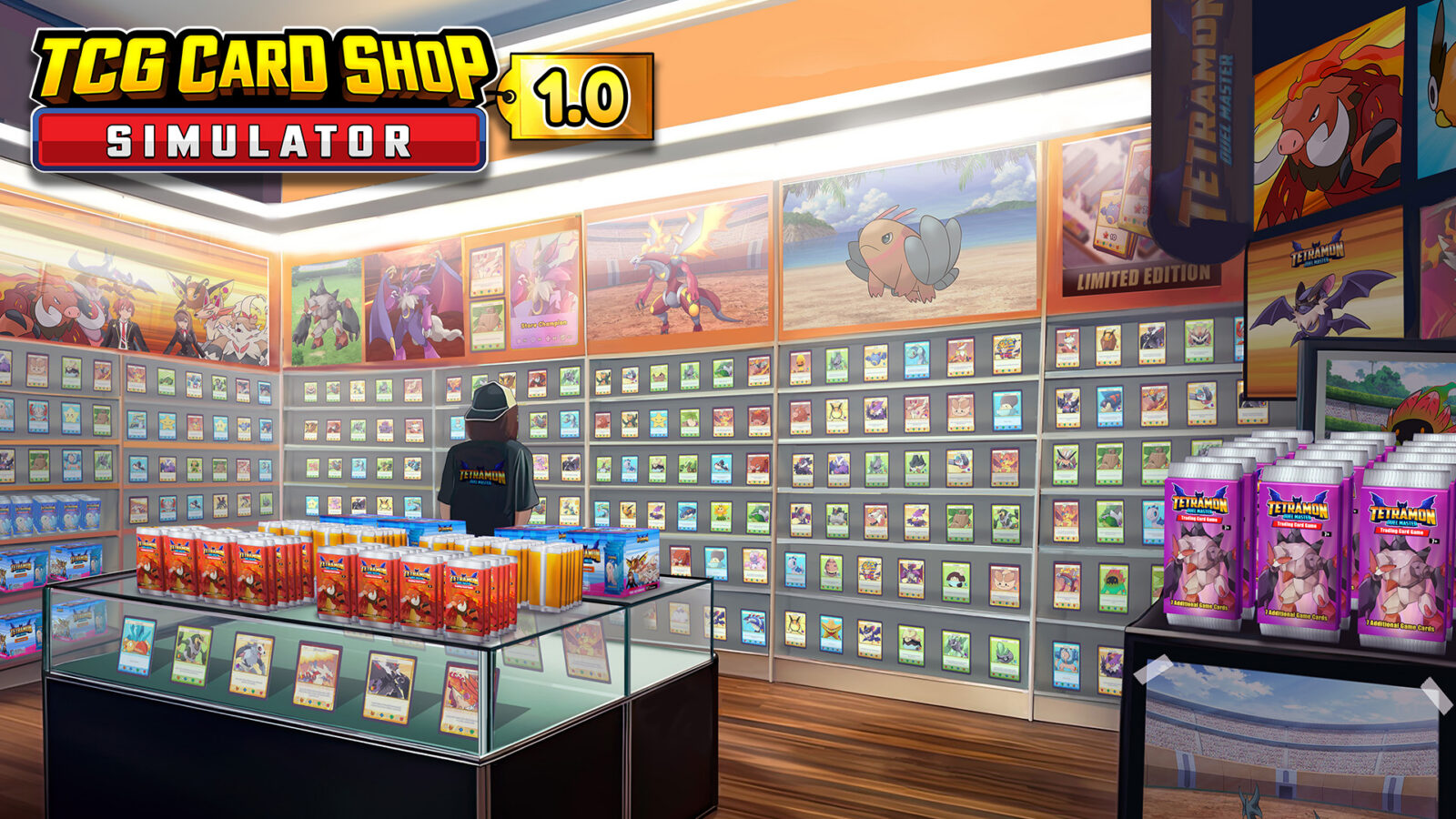
Running your own hobby shop is a dream for many, and with the official launch of TCG Card Shop Simulator Xbox version, that experience has never been more accessible. Whether you are setting up your first booster pack display or organizing high-stakes tournaments for the local community, this simulation offers a deep, rewarding loop of management and collection.
Understanding the core mechanics of TCG Card Shop Simulator Xbox is vital for turning a struggling local shop into a thriving retail empire. In this guide, we dive deep into the strategies that separate successful shop owners from those stuck in the early-game grind.
The Foundation of Store Layout and Customer Flow
Your store's physical design is not just for aesthetics; it is the primary engine of your revenue. Based on community reports, the way you arrange your furniture directly impacts how customers navigate your space and spend their money.
When you start your journey, your primary goal is to minimize friction. If customers spend too much time walking or searching for products, they become less likely to make a purchase.
Essential Shop Layout Principles
Feature
Best Practice
Why It Matters
Shelf Type
Use Small Cabinets (Early)
Higher capacity and better accessibility for items.
Traffic Flow
Open Pathways
Prevents NPCs from getting stuck or frustrated.
Register Placement
Near the Entrance
Allows for a fast, seamless checkout process.
Play Area
Separate from Sales
Prevents players from blocking access to shelves.
Always remember: your store is a business first. Keep your checkout counters accessible and ensure your shelves are fully stocked. An empty shelf is a wasted opportunity that costs you valuable daily revenue.
Mastering Inventory and Product Management
In TCG Card Shop Simulator Xbox, staying on top of supply and demand is a constant balancing act. Using the in-game internet to monitor trends is non-negotiable for any serious manager.
Strategies for Inventory Growth
Scanner Utility: Unlock the scanner tool as soon as possible to track your inventory levels in real-time.
Staff Delegation: Once your workload exceeds your capacity, hire staff to man the registers. This allows you to focus on high-level inventory management and store expansion.
The Power of Growth: Regularly reinvest your profits into bigger floor space (like opening Shop Lot B) to accommodate more stock and higher-tier products.
[!TIP]
Inventory Optimization
Always prioritize stocking products that match current market trends. Customers have specific demands; failing to meet them reduces your daily turnover.
Avoiding Common Pitfalls: The "Stinky" Customer Problem
One of the most frequent complaints from players involves the dreaded "stinky" customer. These NPCs can effectively drive away other patrons and cause a significant dip in your daily earnings.
The Hygiene Factor
Stinky customers do not have an area-of-effect (AOE) cleansing mechanic. If two show up at once, your low-tier cleansers will likely miss one. Always upgrade to the G500 or T1000 series cleaners as soon as your budget allows to ensure one-tap hygiene maintenance.
Keep your store clean and hygienic at all times. If your store's "smell" rating drops, you risk losing customer loyalty, which can take days of effort to recover.
Advanced Strategies: Card Collection and Tournaments
While selling packs is the primary way to earn money, the true depth of TCG Card Shop Simulator Xbox lies in the card collecting and tournament systems.
Rarity and Collection Data
Collecting rare cards can be a goldmine, but you must know when to sell and when to keep. According to experienced players, holding onto rare pulls is vital for completing the 2,500-card collection achievement.
Card Type
Average Rarity
Recommendation
Common/Basic
High Drop Rate
Sell for quick cash.
EX Foil
1 in 285 packs
Hold for collection.
Full Art Foil
1 in 1,142 packs
Never sell unless you have duplicates.
Ghost Foil
1 in 10,000+
The crown jewel of your collection.
If your goal is to build the ultimate Tetramon meta deck, you need to engage with the competitive scene. Renting out tables for events is a great way to build community buzz, but be cautious—if you set up play areas too early without high-value cards, you may be missing out on higher profits from shelf sales.
Expanding Your Business to the Next Level
Once you have mastered the basics, it is time to scale. Expanding your footprint involves moving from a single lot to managing multiple zones. You can find more detailed community strategies on the official Steam community hub for TCG Card Shop Simulator.
By the time you reach level 30, you should transition to using wide shelves, which offer the largest capacity in the game (64). This transition is critical for high-volume stores that serve a large daily customer count.
FAQ: Your Questions Answered
Can I play TCG Card Shop Simulator on Xbox?
Yes, the game is available on Xbox consoles and via Xbox Cloud Gaming, offering a seamless experience for simulation fans.
Does the customer review app affect gameplay?
As of the current version, the review system does not have a mechanical impact on gameplay, but it is expected to play a larger role in future updates.
Should I prioritize hiring staff or expanding the shop?
Expansion generally pays more dividends in the long run. Use your own time to man the register until you hit level 25, then prioritize hiring staff to keep your registers and stocking operations running efficiently.
Is opening booster packs better than selling them sealed?
Statistically, there is no difference in drop rates between opening packs yourself and buying sealed boxes. However, if you are hunting for ultra-rare "Ghost" cards to complete your collection, opening packs yourself is the only way to obtain those items for your personal binder.