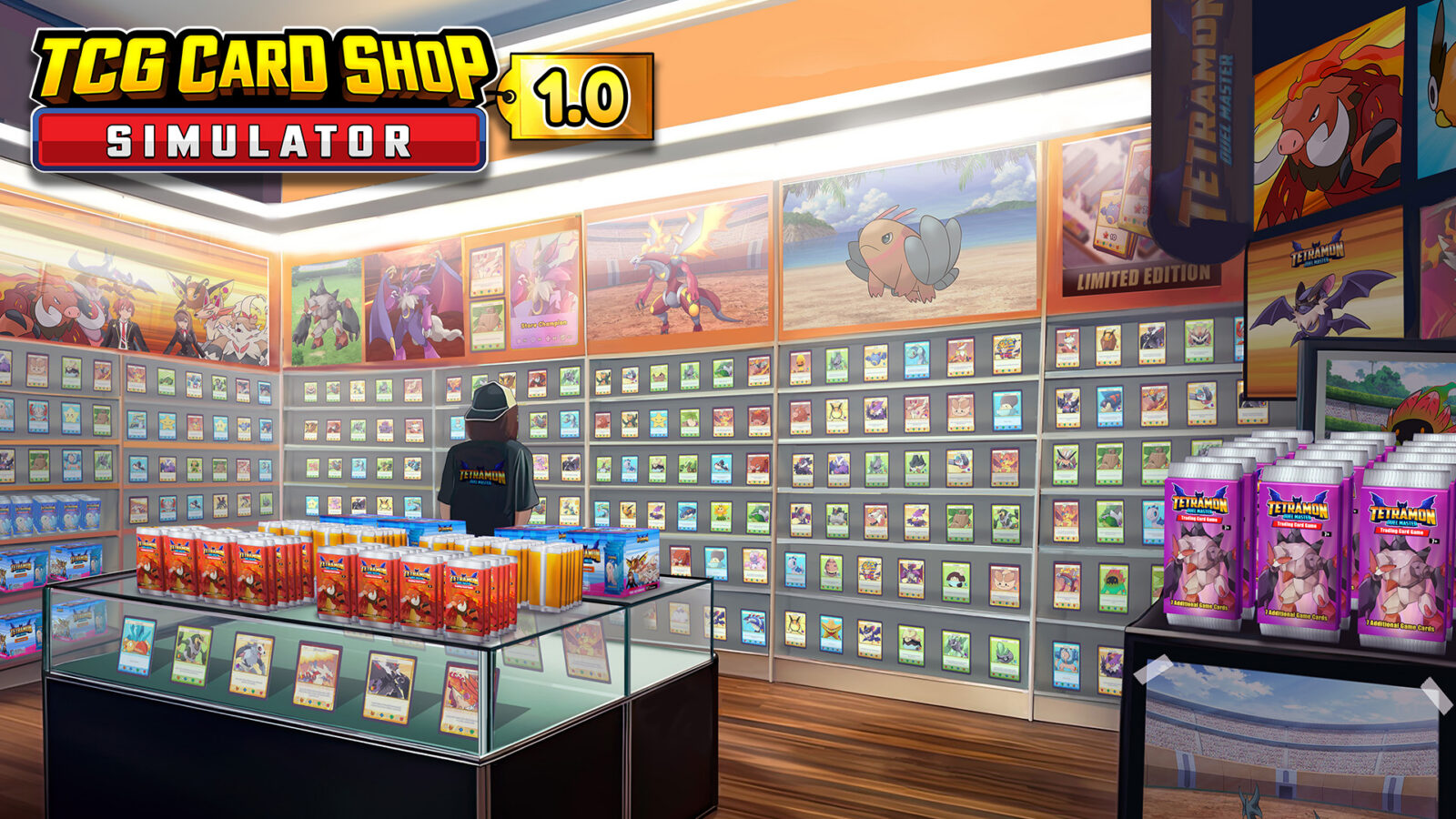
Learn how to effectively manage your inventory, optimize your store layout, and use the TCG Card Shop Simulator sell furniture mechanic to maximize earnings.
Published:
Table of Contents
Managing your retail space efficiently is the secret to scaling up your business in the hit simulation game TCG Card Shop Simulator. Many new players struggle to balance their layout, often leaving unnecessary items on the floor that clutter their shop and stifle potential revenue. Knowing exactly how to TCG card shop simulator sell furniture is a fundamental skill that every successful shop owner must master to keep their store running at peak performance.
Whether you are trying to declutter a cramped store, upgrade to more efficient racks, or simply recover some lost capital, learning the ropes of inventory management will save you from common early-game pitfalls. In this guide, we will break down the mechanics of the shop, explain how to manage your fixtures, and dive into expert strategies to ensure you are never losing money to poor store design.
Why Store Layout and Furniture Management Matter
In the early stages of the game, every dollar counts. Many players mistakenly fill their shop with every table or display case they can afford, without realizing that these items can actually act as a double-edged sword. When a customer enters your store, they decide which activity to engage in—be it browsing shelves or sitting down to play cards. If your store is cluttered with low-value furniture, customers may choose less profitable activities, resulting in lower daily intake.
Beyond revenue, the physical space in your shop is limited. Expanding your shop to new lots is expensive, costing thousands of dollars. By learning how to TCG card shop simulator sell furniture that is no longer serving its purpose, you can free up valuable floor space to install more efficient shelving, such as the high-capacity Wide Shelves, which are crucial for mid-to-late game success.
How to Remove and Sell Furniture Effectively
If you find yourself with excess equipment, you don't have to keep it in your store. According to community reports, there is a simple process for clearing out your inventory and recouping some of your investment.
The Step-by-Step Removal Process
To remove any piece of furniture, follow these steps:
Action
Control Key
Description
Pick Up
Q
Use this to grab an item that is currently placed.
Enter Box Mode
C
While holding or targeting an item, press C to box it up.
Sell Item
C (while boxed)
Interact with the box to sell it back to the store.
Pro Tip: Selling back furniture typically recovers 50% of its original purchase value. While it isn't a full refund, it is a significant improvement over letting useless furniture take up space and ruin your store's customer flow.
Avoid the "Empty Shelf" Trap
Never leave shelves empty. When a customer decides to shop at an empty shelf, they waste an action, which reduces the total number of potential sales per day. If you don't have enough product to fill your furniture, it is better to box up the empty units until you have enough stock to manage them effectively.
Optimizing Your Shop for Maximum Profit
Strategic furniture placement is more than just aesthetics; it is about maximizing "customer throughput." Your goal is to get customers to browse your inventory and reach the checkout as fast as possible. Every second a customer spends wandering around a poorly optimized layout is a second of lost potential revenue.
Furniture Capacity Comparison
Choosing the right furniture is essential for optimizing your square footage. Here is a breakdown of common storage solutions found in the game:
Furniture Name
Capacity
Best Usage
Small Cabinet
48
Early game space-saving.
Single-Sided Shelf
32
Use sparingly; often less efficient.
Wide Shelf
64
Late game, maximum efficiency.
Small Metal Rack
48
Good for quick, specific restock.
By upgrading from the Small Cabinet to the Wide Shelf once you reach level 30, you effectively double your stock density, allowing you to carry a wider variety of cards and merchandise for your customers to purchase.
Strategic Advice: What to Avoid
One of the most common mistakes players make—often highlighted by experienced streamers—is the overuse of play tables and card display tables. While they seem essential for a "Card Shop," they can be a massive money sink in the current game version.
Limit Play Tables: If you don't have a large collection of rare, high-value cards, keep these tables to a minimum. Customers using these tables are not buying products from your shelves.
Prioritize Stocking: For your first three employees, always assign them to "Stocking" rather than "Register." You should man the register yourself until you reach level 25 to maximize the speed at which transactions are processed.
Don't Sell Everything: Never sell your rare "Full Art" or "EX Foil" cards unless you have duplicates. These are needed for collection achievements, and the short-term cash gain is negligible compared to the progress required to reach 2,500 unique cards.
Common Questions (FAQ)
Can I sell furniture at full price in TCG Card Shop Simulator?
No, when you use the game’s mechanic to sell back furniture, you receive approximately 50% of the original purchase value. It is best to plan your store layout carefully to avoid frequent selling and repurchasing.
Why are customers ignoring my shelves?
Customers might be ignoring your shelves if they are empty or if your shop layout is too cluttered with tables. Ensure your shelves are fully stocked and that the path to your checkout counter is clear of obstructions.
How do I know which furniture is best for my level?
As you level up, you will unlock new, more efficient storage solutions in the "My DIY" app. Always check the item details to compare the compartment capacity. For instance, the Wide Shelf is the industry standard for high-volume sales once you hit level 30.
Should I keep my old furniture as I expand?
Not necessarily. If your old furniture has lower capacity than your new options, it is more profitable to sell the old pieces and replace them with high-capacity shelves to ensure your store remains optimized for maximum profit.
For the most up-to-date information on item stats, always check the Official TCG Card Shop Simulator Steam Page to stay informed about balance changes that might affect your shop's efficiency.