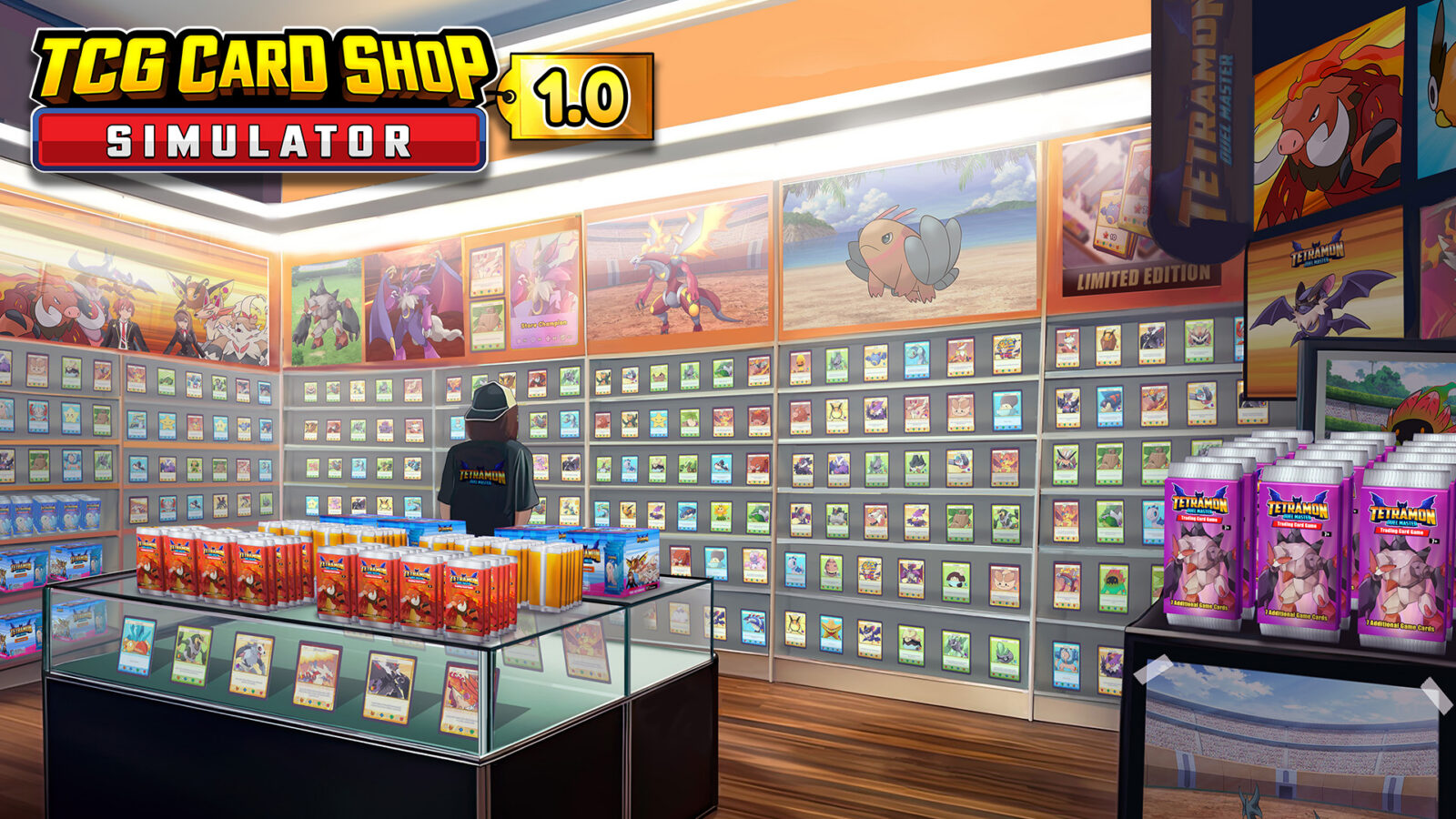
TCG Card Shop Simulator Switch: Port Review and Shop Guide
Explore the TCG Card Shop Simulator Switch version. Learn about port performance, gameplay tips, and how to manage your Tetramon shop on the go.
Published:
Table of Contents
The wait is finally over for console enthusiasts who have been watching PC players pull rare cards from the comfort of their desks. With the release of tcg card shop simulator switch, players can now take their retail ambitions on the go. This port brings the full, addictive experience of running a specialized hobby shop to the Nintendo platform, allowing you to manage inventory and host tournaments from anywhere.
Whether you are a veteran of the Steam version or a newcomer curious about the tcg card shop simulator switch edition, understanding the nuances of this port is essential. Transitioning from a mouse-and-keyboard setup to a controller-based handheld experience changes how you interact with your shelves and customers. In this guide, we will dive deep into the performance metrics, gameplay mechanics, and strategic optimizations needed to turn your small shop into a card-selling empire.
The Transition to Nintendo Switch: Performance and Visuals
One of the biggest concerns for any simulator port is how well it handles the density of objects and NPCs. According to community reports and technical reviews, the tcg card shop simulator switch version targets a smooth 60 FPS. While the Nintendo Switch hardware is less powerful than a high-end PC, OPNeon Games has optimized the experience to ensure that even when your shop is bustling with customers and overflowing with stock, the framerate remains stable.
Visually, the game is a "mixed bag" but remains highly functional. The Tetramon cards themselves are the star of the show, featuring vibrant artwork and distinct holographic effects that look crisp on the Switch’s screen. However, you might notice some minor "jank," such as NPCs clipping through one another or occasional texture loading issues on certain products. These are largely cosmetic and do not detract from the core loop of managing your business.
Feature
PC (Steam)
Nintendo Switch Version
Target Framerate
Uncapped
60 FPS (Stable)
Controls
Mouse & Keyboard / Controller
Joy-Con / Pro Controller Optimized
Portability
Steam Deck Only
Full Handheld Native Support
UI Scaling
Adjustable
Optimized for Small Screen
Achievements
Steam Achievements
In-game Milestones
Optimizing Visuals
If you experience any stuttering during late-game expansions when your shop is massive, try reducing the field of view (FOV) in the settings menu. This can help the console process the high density of rendered items more efficiently.
Mastering the Retail Loop: Stocking and Pricing
The heart of tcg card shop simulator switch lies in its satisfying retail cycle. You start with a meager budget, a single shelf, and a dream. Your primary task is ordering card packs, stocking them, and setting prices that balance profit with customer satisfaction. Unlike many "asset flip" clones found on the eShop, the "real deal" offers a deep pricing system where market values fluctuate daily.
Community experts suggest checking the market price every morning. A common strategy is to increase the price in 10% increments above the market average. However, a pro tip for Switch players using controllers is to round your prices to the nearest whole dollar. This speeds up the checkout process significantly, as you won't have to fiddle with small change in the digital register, which can be slightly more cumbersome with a d-pad than a mouse.
Progression and Licensing
As your shop level increases, you gain access to new licenses. These licenses are the gatekeepers to higher-tier products like plushies, playmats, and advanced booster boxes.
Shop Level
License Unlock
Key Benefit
Level 1-5
Basic Tetramon Packs
Entry-level revenue; high volume.
Level 10+
Card Sleeves & Albums
High margin items; essential for collectors.
Level 20+
Rare Expansion Packs
Higher risk, but attracts big spenders.
Level 30+
High-End Plushies
Large items that fill space and boost "shop appeal."
Managing the "Stinky Customer" and Shop Hygiene
A unique mechanic in tcg card shop simulator switch that sets it apart from generic simulators is the hygiene system. In a nod to real-world local game store (LGS) culture, some customers will enter your shop with a "stench" cloud. If left unchecked, this odor will drive away other paying customers and lower your shop's rating.
Players have developed creative ways to handle this. Initially, you will have to manually use deodorant spray on smelly patrons. As you progress, you can set up "stinky traps"—automatic sprayers placed near the entrance. This automation is vital because as your shop grows, you won't have time to play "hygiene police" while also managing the register and restocking shelves.
Don't Ignore Reviews
Customers in the game leave digital reviews. If you see multiple complaints about "smell" or "long lines," prioritize hiring an employee or installing auto-sprayers immediately. Negative reviews can slow down your XP gain significantly.
The Thrill of the Pull: Opening Packs and Grading
While selling sealed products provides a steady income, the real wealth in tcg card shop simulator switch comes from the secondary market. You have the option to open any pack you have in stock. This is a gamble: you might lose the guaranteed profit of the sealed pack, or you might pull a "Ghost Rare" card worth thousands of dollars.
The Switch version makes the pack-opening animation feel tactile and rewarding. Once you pull a valuable card, you can put it in a display case for individual sale. To maximize profit, you should send high-value cards off for "grading." A graded card with a high score can sell for many times its base value, turning a $50 pull into a $500 windfall.
Card Grading Value Estimates
Card Raw Value
Grading Potential
Estimated Graded Price
$10 - $20
Low
$25 - $40
$50 - $100
Medium
$150 - $300
$500+
High (Ghost Rare)
$1,500 - $5,000+
Organizing Tournaments and Player Space
Your shop isn't just a store; it's a community hub. By placing tables, you allow NPCs to come in and play the Tetramon TCG. While tables take up valuable floor space that could otherwise hold shelves, they provide two major benefits:
Passive Income: Players pay a fee to use the table.
Increased Sales: Players are highly likely to buy a pack or a snack on their way out.
In the 1.0 update available on the tcg card shop simulator switch, you can even organize official tournaments. This requires specific "Tournament Tables" and a higher shop level, but the influx of customers during a tournament day can result in your highest daily earnings. You can even build your own deck and participate in the card game yourself, adding a layer of strategy beyond just business management.
Strategic Shop Layout for Switch Players
Because the Switch screen is smaller than a typical monitor, your shop layout needs to be organized for easy navigation. Avoid placing shelves too close together, as the "interact" prompt can sometimes jump between objects in tight spaces.
Recommended Layout Strategy:
The Entrance Zone: Place your automatic deodorant sprayers and your most popular, low-cost booster packs here.
The "Wall of Value": Dedicate one wall to high-end display cases for graded cards. This makes it easy to check what has sold at a glance.
The Play Area: Keep the tables in the back or a dedicated corner. This prevents players from blocking the path of customers trying to reach the shelves.
The Checkout Hub: Place your register near the exit with enough space for a long queue. As soon as you can afford it, hire an employee to man the register so you can focus on inventory.
For more information on the developer and future updates, check out the official TCG Card Shop Simulator Steam page to see the latest patch notes and community discussions that often translate to the console versions.
Community Tips: Avoiding Common Pitfalls
Based on "player experience" shared in various forums, many new shop owners fail because they expand too quickly. Buying a shop expansion is expensive, but the hidden cost is the extra stock needed to fill that space. If you have a massive shop with empty shelves, your "shop score" will drop, and customers will leave disappointed.
Another common mistake is over-investing in expensive licenses early on. Some licenses for large bulk boxes have exorbitant fees. Community reports suggest it is often more cost-effective to buy multiple smaller boxes of a popular set than to pay for the license to buy the "mega-boxes" until you have a massive surplus of cash.
Conclusion
The tcg card shop simulator switch port is a triumph for the simulation genre on consoles. It successfully captures the "just one more day" gameplay loop that made the PC version a viral hit. By balancing your time between the mundane tasks of stocking shelves and the high-stakes excitement of card grading, you can build a thriving business that reflects your personal style.
While the game has some minor visual quirks typical of the simulator genre, the depth of the management systems and the genuine love for TCG culture shine through. Whether you are playing in docked mode on your TV or in handheld mode during a commute, the heart of the cards is now firmly in your hands.
FAQ: TCG Card Shop Simulator Switch
Is TCG Card Shop Simulator on Switch the same as the PC version?
Yes, the tcg card shop simulator switch version includes the core gameplay features of the PC 1.0 release, including shop expansions, card grading, the "stinky customer" mechanic, and the ability to play the Tetramon TCG yourself. Some minor graphical adjustments have been made to ensure stable performance on the console.
How do I fix the "stinky customer" problem on Switch?
Early in the game, you must buy deodorant from the shop's computer and manually spray customers who have a green cloud around them. Later, you can unlock and purchase automatic scent dispensers to place near your door, which automates this process.
Can I hire employees in the Switch version?
Absolutely. Once your shop reaches a certain level, you can hire staff to help with stocking shelves and manning the cash register. This is highly recommended for tcg card shop simulator switch players to reduce the amount of manual menu navigation required during busy store hours.
Does the game support touch screen controls on Switch?
While the game is primarily designed for Joy-Con and Pro Controller input, certain menu elements may respond to touch. However, for the most consistent experience, players are encouraged to use the physical buttons and analog sticks for precise shelf placement.