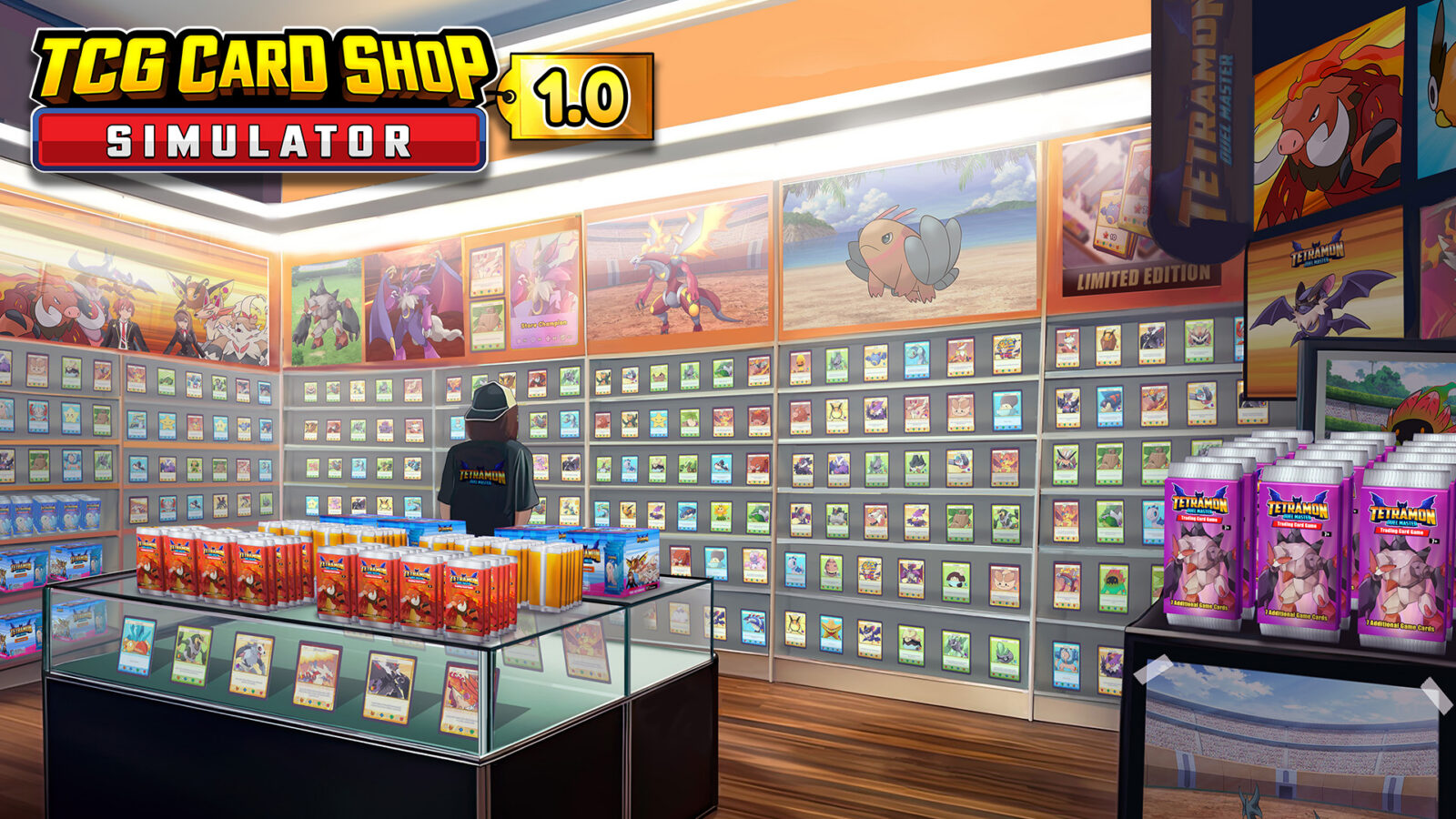
TCG Card Shop Simulator How to Complete Transaction Guide
Master TCG Card Shop Simulator how to complete transaction processes. Discover expert tips on maximizing sales, managing queues, and boosting profits today.
Published:
Table of Contents
Managing your storefront effectively is the heartbeat of success in TCG Card Shop Simulator. Whether you are a budding entrepreneur or a seasoned shopkeeper, understanding the specific mechanics of TCG card shop simulator how to complete transaction sequences is essential to scaling your business and avoiding those frustrating bottlenecks that stall your daily growth.
If you have ever felt overwhelmed by long checkout lines or missed out on high-value sales, you are not alone. Mastering the art of the transaction is more than just clicking a button; it involves optimizing your store's layout, leveraging employee AI, and timing your interventions. In this guide, we dive deep into the mechanics to help you turn your shop into a card-collecting empire.
Streamlining Your Checkout Flow
The most common point of friction for new players is the checkout process. When you search for TCG card shop simulator how to complete transaction tactics, you will quickly realize that manual intervention is a temporary crutch rather than a permanent solution. To scale, you must transition from a "hands-on" clerk to a store manager.
Efficiency is dictated by customer turnover. Every second a customer spends waiting in line is a second they are not browsing your shelves or buying high-margin items. By placing registers strategically and utilizing the right staff, you increase your store’s total "customer slot" throughput.
Recommended Register Setup
Setup Phase
Strategy
Benefit
Early Game
Player-manned Register
You gain full control and speed, plus XP.
Mid Game
Add Second Register
Reduces wait times, allowing more customers in.
Late Game
Dual Employee Registers
Completely automates checkout for AFK play.
Why Employees Change the Transaction Game
As noted in community reports, hiring the right staff is a strategic turning point. While beginners often put their first employee on stocking duty, experienced players argue that a fast checkout clerk is your most valuable asset. The faster a customer checks out, the sooner that "customer slot" becomes available for a fresh spender to walk through your doors.
When selecting staff, look at their specific statistics. While some employees are slow and cheap, others, like Clark Cash, offer "Very Fast" checkout speeds. Investing in high-speed personnel prevents the queue from spiraling out of control during peak hours, effectively ensuring that your TCG card shop simulator how to complete transaction flow remains constant throughout the business day.
Employee Stat Overview
Employee Name
Primary Task
Checkout Speed
Note
Terence Fay
Early Checkout
Normal
Good starter for cashiers.
Clark Cash
Fast Checkout
Very Fast
Best value for mid-game scaling.
Axel Charleton
Late Game
Very Fast
Ideal for high-traffic, maxed shops.
Optimizing Customer Spending Power
Completing a transaction is only half the battle; the other half is ensuring the customer actually has something worth buying. If your shelves are empty or poorly stocked, a customer reaches the register with nothing, wasting their "slot."
To maximize transaction value, align your inventory with the "Target Item List." According to official data from the Steam Community Page, customers have a weekly list of items they are looking for. By diversifying your shelves to cover these random requests, you ensure that more customers find what they want, leading to higher transaction totals.
The 8:00 AM Trick
Before opening the store, wait at 8:00 AM. This allows your restocker employees to fill shelves for free without the pressure of customers walking in, ensuring you have a full inventory ready for the first wave of transactions.
Avoiding Common Transaction Pitfalls
Even with the best staff, mistakes can stall your revenue. A major error players make is placing card tables too close to the checkout. When a customer finishes a match, they often go straight to the register. If your pathing is blocked or the store is too messy, the AI might get stuck, causing you to lose a sale.
Furthermore, do not ignore the "stink" mechanic. A stinky customer will scare away other potential buyers, effectively preventing transactions before they even start. Using auto-scent machines at the entrance is a non-negotiable step for any serious shop owner.
Critical Transaction Checkpoints
Queue Management: Ensure registers have clear access.
Pricing: Keep items at Market Price + 10%. Anything higher drops the sales probability significantly.
Stock Levels: Never let shelves go completely empty. Customers who can't find an item will leave unhappy, lowering your store rating.
The Role of RNG and Customer Logic
Understanding that customer money is randomized adds a layer of complexity to the game. Rich and Very Rich customers spawn at low rates (4.7% and 0.3% respectively), carrying up to 4x the standard cash. Your goal is to keep the store environment pristine so that when these rare high-spending customers arrive, they have plenty of options to spend their money on.
When you look at TCG card shop simulator how to complete transaction methods, keep in mind that the game's RNG system dictates if a customer buys an item or leaves empty-handed. By increasing your store level and expanding your space, you naturally increase the maximum money a customer carries, which naturally inflates your daily revenue per successful transaction.
FAQ: Mastering Transactions
How do I speed up the checkout process?
To speed up transactions, hire the fastest checkout employees (such as Clark Cash or Axel Charleton) and ensure you have at least two registers placed so customers don't bunch up.
Does a player-manned register earn more than an employee?
Yes, you generally process items faster than low-level employees. However, the goal is to free yourself up for restocking and trading, so investing in good employees is better for long-term growth.
Why do customers sometimes leave without buying anything?
This usually happens if the item they wanted wasn't in stock, or if the queue for the register was too long, causing them to lose patience. Check your reviews app to see if customers are complaining about stock or wait times.
What is the best way to handle high-value transactions?
The best way is to keep your most expensive items (like high-value singles or rare booster boxes) in limited supply on the shelves. This forces customers to prioritize those specific items when they decide to make a purchase, effectively "forcing" the sale of your most profitable inventory.
Mastering TCG card shop simulator how to complete transaction sequences takes time and experimentation, but by balancing your staff, inventory, and store layout, you will find that the money starts flowing into your register with much greater consistency. Stay patient, keep your shelves full, and watch your shop reach the top of the leaderboards!