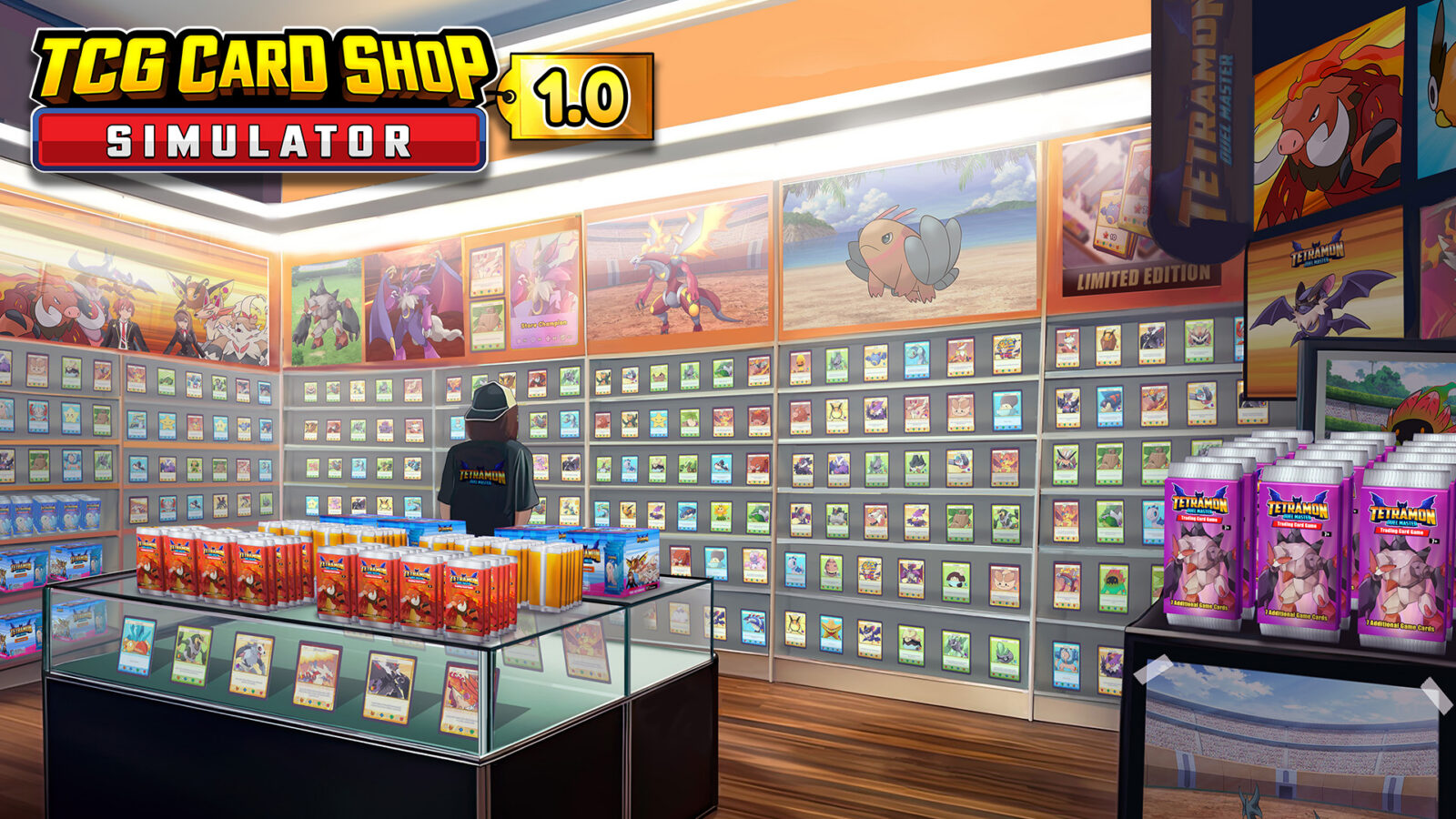
Master TCG Card Shop Simulator Destiny packs! Learn drop rates, pull strategies, and how to maximize your shop profits with this complete expert guide.
Published:
Table of Contents
Opening card packs is the heartbeat of running a successful game store, and mastering TCG Card Shop Simulator destiny packs is the fastest way to skyrocket your shop’s level and revenue. Whether you are hunting for elusive Ghost cards or looking to fill your display cases with high-value foils, understanding the drop mechanics behind these specific expansions is essential.
In this guide, we dive deep into the math and strategy behind the Destiny collection. By optimizing your opening process and managing your inventory effectively, you can transform your shop from a local hobby spot into a legendary card empire.
Why Destiny Packs Are Essential for Your Shop
The Destiny set is widely regarded by players as the most lucrative collection in the game. Unlike standard sets, these packs offer significantly better odds for high-rarity pulls. If you are aiming for "Lucky Bastard" achievement status, you need to be focusing your capital here.
TCG Card Shop Simulator destiny packs are not just about personal collection; they are the primary driver of high-profit margins. When you sell rare Destiny cards, you aren't just making a few dollars; you are clearing massive profits that allow you to reinvest in shop upgrades, better staffing, and more licensing.
Destiny Expansion Rarity Overview
To help you strategize your spending, here is the breakdown of what to expect when purchasing Destiny inventory:
Pack Type
Minimum Level
License Cost
Contents
Basic Destiny
25
$3,000
7 Cards per pack
Rare Destiny
29
$3,500
7 Cards per pack
Epic Destiny
Varies
$4,000+
7 Cards per pack
Legendary Destiny
Varies
$4,500+
7 Cards per pack
Maximize your return on investment
Always prioritize purchasing Destiny boxes rather than single packs once your shop level hits 30+. Bulk buying reduces your cost per pack significantly over time.
Decoding the Drop Rates: Ghost Cards and Foils
The primary goal for most professional shop owners is landing a Ghost card. According to community reports, while standard Tetramon packs have a 1/1,000 chance to spawn a Ghost pack, TCG Card Shop Simulator destiny packs double that efficiency to a 1/500 chance. This makes Destiny the gold standard for rare card hunters.
Probability Table for Card Variants
When you open a pack, the game calculates the probability of various card editions. Keep this table in mind when sorting your pulls for sale:
Card Rarity
Chance (Non-Foil)
Chance (Foil)
Total Odds
Full Art
1/400
1/8,000
0.25%
EX
1/100
1/2,000
1%
Gold
1/25
1/500
4%
Silver
1/12.5
1/250
8%
First Edition
1/5
1/100
20%
Understanding these numbers helps you decide which cards to place in your showcase cabinets versus which to put on standard shelves. High-probability pulls (First Edition, Base) should populate your general racks, while your Full Art and EX pulls belong in the showcase to attract high-paying customers.
Strategic Operations: Managing Your Shop Floor
Efficiently managing your shop is as important as the cards themselves. As many players have noted, simply opening thousands of packs without a strategy leads to a cluttered floor and frustrated customers.
Best Practices for Inventory Management
The "Auto-Price" Advantage: Use community-recommended mods or manual pricing tools to set cards at 15% above market price. This ensures consistent profit without alienating your customer base.
Table Management: Too many tables can actually hinder sales velocity. Limit the number of tables to ensure NPCs spend time browsing shelves rather than just playing.
The Stink Factor: Remember that high-volume shoppers create "smell" issues. Keep your cleanser sprays ready; a smelly shop will drive away your best customers, regardless of how good your TCG Card Shop Simulator destiny packs are.
Profitability Comparison: Selling vs. Collecting
Decision
Pros
Cons
Selling All Duplicates
Immediate cash flow
Cannot complete the album
Collecting Full Sets
High prestige, unlocks bonuses
Slow cash growth
Showcase Premium Cards
High markup capability
Uses limited showcase space
How to Scale Your Destiny Card Profits
If you want to reach a $100,000 shop value, you must treat your inventory like a stock portfolio. When you pull a high-value card—such as an EX Foil—do not sell it immediately unless you are desperate for cash. Wait for peak traffic hours and ensure your reputation is high to capitalize on the price surge.
Players often fall into the trap of buying new licenses too early. If you spend your last $4,500 on an Epic Destiny license but cannot afford the stock to fill the shelves, you will stagnate. Always maintain a cash reserve equivalent to at least two weeks of shop bills.
For more details on game mechanics, you can visit the Official Steam Page for the latest updates and developer patch notes.
Common Pitfalls to Avoid
Ignoring the Bills: Failing to pay the weekly bills can result in service interruptions. Always check your tablet before embarking on a massive, hours-long "pack-opening spree."
Over-modding Drop Rates: While single-player freedom allows for mods, altering drop rates too aggressively can trivialize the experience and remove the dopamine hit of finding a rare card naturally.
Neglecting the Album: You gain substantial XP and reputation by filing new cards into your collection. Don't skip this; a higher shop level is required to unlock higher-tier Destiny licenses.
Frequently Asked Questions (FAQ)
1. Are TCG Card Shop Simulator destiny packs better than Tetramon packs?
Yes, for Ghost hunters, Destiny packs are statistically superior. They offer a 1/500 chance for a Ghost pack compared to the 1/1,000 chance found in Tetramon sets, making them the preferred choice for collectors.
2. What is the rarest pull from a Destiny pack?
The absolute rarest pull is a Foil Ghost Card. The chance of hitting a Ghost Foil pack in the Destiny collection is 0.01% (1/10,000).
3. Should I open my Destiny boxes or sell them sealed?
If you are focused on leveling up your shop and building your collection, open them. If you are focused on short-term liquidity, selling high-demand boxes can sometimes be more profitable, but opening them is generally better for long-term growth.
4. How do I know if I have a rare card?
Any card tagged with "Full Art," "EX," or "Ghost" should be carefully inspected. Use the in-game sorting tool by price to identify your highest-value assets before listing them on your shelves.